Showing posts with label Grape Harvest. Show all posts

Wednesday, July 3, 2019

BRAMBLES: Storied Wine


"Wine for lunch?"  It was just a simple, Cal-Provencal chicken breast and salad with feta, but the early summer day quietly demanded a lazy, unpretentious quaff.  "But, we have nothing chilled", she may have said.  No problem.  Just grab a bottle of light bodied, high acid juice from the dark, cool space below and prepare it for the quick chill.  Ten minutes is all that it will take, because we are going to crisp-change the temperature of a cellar-ed bottle, a cool survivor that is still found in the 60+/- degree range even on this summer day.  A Portuguese vino verde gets wrapped in wet paper towel, slipped into a plastic bag(so it doesn't attach to anything else), and laid in the freezer.  As the wet paper quickly chills, it directly transfers cold to the bottles liquid, and within a few minutes it's near perfection for this particular lazy day dejeuner.  It could have been any bottle(sparkling demands even cooler temps), but chilling improved the presentation, focused the physical properties and the bright character of this particular modest bottle of imported white wine.  We could almost imagine the warm and gentile breezes of  a Lisbon seaside cafe.
A sea of familiar brands or a wine adventure?
 Current domestic commercial reports indicate a slow down of overall wine sales, but that is not the case with wines produced in the golden state of California.  Even with import selections increasing daily, this nation's top wine producing state still dominates from a position of strength, with wine shipments increasing by 3% over the previous year. More direct to consumer markets are open in more states than ever before, and wine trends in restaurants continue to bolster the national sales. Another constant that remains is that the most widely popular brands, those comfortably priced, widely available selections, are still mostly produced by large, industrial beverage corporations.  Fans of venerable Louis M. Martini, or MacMurray Estate or J Vineyards may be surprised to learn that these labels are owned and operated by the largest wine company on the planet, E & J Gallo, of Modesto.  Perhaps your 'go-to' is great value ne'gociant  Cameron Hughes, or a Girard, or Tamarack Cellars; they are all popular labels of Sonoma Counties' own, Vintage Wine Estates.  Even that convenient Bota Box wine, or widely dispersed Gnarly Head zinfandel are products of long established Delicato Family wines of Manteca.

 Distinguished brands that are pillars of the state's Napa wine history, Beaulieu Vineyards, Beringer, Chateau St. Jean, and Stags' Leap Winery are today all Treasury Wine Estates of Australia properties.  And that popular Meiomi Pinot Noir, as well as iconic, Robert Mondavi Winery are currently part of the largest imported beer company in the U.S., Constellation Brands.  Bottles such as these and countless others are effectively commodity brands, guided by investors who may have never touched its soil or fruit. Mostly, they can generate standardized industrial products, striving for consistency and market-share that's utilizing a shrinking distributor(wholesale) market. But, another thing they may share today is that at one time in the not too distant past, just about all of these brands were a single artisan's dream; regularly producing a genuine and honest reflection of a unique place and time(it was a good year!).
Cheers to another great story!
 Today there are over 685 bonded wineries in Sonoma county, the vast majority being very small producers, those holding on to that artisan's dream from vineyard to cellar. Way back in the late 60's the region had supported fewer than 60 federal licenses. Over these past decades many artisans have been drawn to the songs of local vineyards and its winemaking, many of them found just down the road. They may have names not seen on our favorite retail wine shelves or home town wine lists, but there is a good chance that here is where a wine lover or adventurer can find that summer California dream.  Should you pick up an honest bottle or two, you may find authenticity using the quick chill method back at the yurt or the lodge, and have a story to tell.

Raising a glass here for more than a decade;
 and Salute!


WineLinks:
  https://discovercaliforniawines.com/
  https://sonomawinegrape.org/

Sunday, March 31, 2019

BRAMBLES: That's Life!

And, so it begins anew, again
 Awakenings. You probably started that dedicated journey some time ago, pushed to explore ways to express those innate impulses that follow, naturally. Under the sun, you feel the appetite for growth. You begin to leaf  (or could have initiated, say,  a wine blog); hesitant at first. What of the vermin, the critics and skeptics; what of the demands of consistent demonstration, that regular attempt to prove value at every turn. Even as you may have had strings of lessons earlier in vine life, you find that in your adult life subsisting on the grape(vitis vinifera) qualities had become a passion, a profession.  Innately,  you feel the ever compelling need to share many lessons you nurtured along the way.  Each spring, each renewal, we are again reminded of this productive cycle of the European grape vine.  A new beginning that follows each harvest, bringing with it a new promise, a yearning,  a new awakening.  It is a renewed life, one that uniquely benefits from each of those many seasons grown before.

Aged bush-vine or 'goblet' pruned zinfandel 
 In Ervin Drake's, 'It was a very Good Year', Frank remembers, 'my life as vintage wine from fine old kegs', 'it poured sweet and clear'.  Contemporary consumers don't generally age their wines; we being an immediate gratification society. Most bottle aging, it is said, occurs on the way home from the retailer.  And, in truth, current consumer market wines are typically ready to drink earlier in their bottle evolution due to decades of advancements in viticulture and oenology, the science of wine-making. It could be enough to have Frank drink anything he would pull from the shelf, since overall quality has continued to improve in our lifetimes. But remember, for those who are planners, aging a bottle can be a joy in collecting and also pay harmoniously mature and delicious benefits.

Spring frosts bring an early burn to new shoots 
 In the retail market there's also an awakening of consumers: more multi-generational wine drinkers who have traveled abroad, and may have explored in vogue dining while keeping up with the latest social craze. And, they drink up easier access to the marketplace with off-premise and direct-to-consumer growth. There's an awakening of producers, too.  Large multi-national corporations standardize qualities of the sourcing and production of the vine, while tacking to harvest the latest wine market trends.  And, more machines are toiling in the global vineyards than ever before, even as growing sustainability is echoed in the rows of vine.  And, there is also an awakening of the vine.  Globally, we continue to invest finding where each vine variety grows best, and how unique characteristics of site and climate are reflected in its best wine.  More controlled yields, standardized regulations and continued research in the many distinguished research academies that continues to nurture global grape growing. It's a world-wide awakening.
Traditional wine retail off-premise

 'It was a very good year', and like just about any year(let's be Frank) there were many segments of market up-swing.  Fortunately, more Americans are drinking wine than ever before, although much is made of millennial population slow down( think fads(prosecco, rose', white zinfandel,etc.).  Current data reports that strong market growth sustains from boomers and gen x(a growing population), and yet, across the country it's still only 10% of the adult population that drinks 90%(appox.) of the wine in spite of increases in popular wines by the glass service and on-line growth.  Wine tourism is on the rise, as well.  Currently, there's early bottling of our last harvest, even as bud break awakens in the groomed vineyards that are blanketed with flowering cover crops(providing nutrients, breaking up compacted soils).  As spring welcomes us, this is a great time in the life cycle of the vine to visit uncrowded estate tasting rooms.

  As the warming sun stimulates that precious need to get active, the vine across the northern hemisphere( the southern globe began 6 months ago )begins again. We consumers are already awakening, making bright plans: that garden Easter, kids to summer camp, a family escape from the doldrums of a wet winter.  Our shared history creates that extended record, for the vine, for the wine industry, and for its consumers.  And, it begins again each spring, from the continued beginning; this too is our awakening.  That's Life!
Raising a glass to the awakening!
Cheers!

WineLinks:
  https://sonomalibrary.org/locations/sonoma-county-wine-library
  *Celebrating 30 years of service to the NorCal wine community!
  http://www.mendowine.com/events/index.php
  *Leaders in family-owned sustainable viticulture
  https://cannedwinecompetition.com/
  *Inaugural awakening in alternative consumer packaging
  https://www.decanter.com/wine-reviews-tastings/canned-wine-405876/


Friday, October 19, 2018

BRAMBLES: A New World


Even as Munich's annual bier party, Oktoberfest, is a groggy memory,  Austria's 'heurigen' tavern culture continues to invite visitors as long as there's local bulk wine to quickly ferment.  Locally, weeks of favorable sunny and mild conditions have produced by most accounts an 'average' harvest of good quality that is nearing its uneventful resolution.  Unless, that is, you factor increasing seasonal wildfires across the North Bay and the western U.S.  It is a period of change; a period that we now routinely measure.  Farming is certainly seasonal, with demand vs. supply in its landscape. Yet, for the wine industry, with all these environmental changes, grape by grape, it is a new world.

More quality and affordable wines are available to more consumers from more places than ever before. That is a fact. Like the 'heurigen' hospitality, we here have bulk wines(it's most of what our industry produces) in lots of places. We may never run out. And, we recently have had a long series of good harvests, combined with the strength of steady consumer demand. Plus, the bulk market is getting better fruit from more sustainable growing practices and quality vineyards than ever before.  So today, our 'vin ordinaire' is so now consistently good it may actually hurt the theory that domestic consumers will eventually move up the price ladder. Plus, domestic consumers are increasingly enjoying more quality imports at the sub-$12 than ever before, like French rose' and New Zealand sauvignon blanc.

Old World vineyard traditions remain after generations
Yesterday for today's wine industry is the foundation of tomorrow, where almost everyday there surfaces another important environmental alert.  Just in the past few weeks there have been quite a number of important notices that will continue to impact industry and consumer alike for years to come.  Importantly, at a recent Paris conference, International Energy Agency head, Faith Birol, told the audience that after 9 months of surveys our planet is on pace to break a record for increased levels of global carbon emissions!

Our 'average' harvest here(a new normal?) differs drastically from what is being reported elsewhere, as England this season produced it's biggest wine grape harvest, and perhaps their best pinot noir crop ever!  Beneficially, much of the isles sunny southeast is blessed with well-drained, high-calcium soils similar to those in Champagne, France.  Domestically, vineyard smoke taint is for us now such a prominent and persistent issue that UC Davis is currently testing its effects on all stages of wine grapes development, even as current fruit contracts from effected local growers are being cancelled by large wine-grape buyers.

And, there are domestic market reports that indicate we may soon have an oversupply of fruit for a sluggish marketplace, a popular segment where reserves of bulk wine are already quite heavy.  On the consumer-plus side, 'direct to consumer' shipments to out of state customers continues to expand, and was most recently upheld by a Michigan court.  Where there were once a handful of 'reciprocal' states for wine interstate commerce, at present consumers now have just a few states where such is prohibited.  Overall, it continues to be a strong decade of development, consolidation and growth for the U.S. wine industry, and that continues to benefit all consumers.
'Battle of Wine' festival in Haro, Rioja DOC
Among a world of values, a delightful surprise may be in store for consumers who search out the white wines of Rioja, Spain.  Originating from about as far away from the sea as you get in Spain, with the Pyrenees and Cantabrian ranges to the north, and a dry, continental climate, Rioja is traditionally dominated by red grapes, notably noble tempranillo. However, current improvements in the prominent region's viticulture and their vinification have allowed its white wines from viura(macabeau), malvasia and garnacha blanca(grenache blanc) grapes to now present clean, bright blends and single varietal wines vibrantly stainless fermented and without excessive aging. Consumers who search out wines like Cortijo's Rioja Blanco(100% viura) and Muga's Blanco(blend) will find zesty wines with inviting aromas and mouth-watering citrus and apple-skin notes that are food friendly at under $15. These are fine examples of what was once tradition now turned on its head to the favor of consumers in a New World.

Salute!

-Liquid Update Links:
 Brit Pinot: https://www.theguardian.com/uk-news/2018/oct/06/uk-record-red-wine-harvest-pinot-noir

 Ship: https://www.winebusiness.com/news/?go=getArticle&dataid=204005

 Smoke: https://www.ucdavis.edu/food/news/wine-country-wildfires-leave-questions-for-vintners/

 Marketplace: http://www.ciatti.com/sites/default/files/california_report_october_2018_0.pdf

Sunday, September 30, 2018

BRAMBLES: Nothing else Like It!


Vitis vinifera, a self-pollinating berry-fruit vine native to Europe and Asia Minor, with a domesticated history that goes back thousands of years, is once again in the Northern Hemisphere harvesting season news.  A venerable agri-industry, global wine is now on a grand international scale that continues to impact its growing consumer demands by testing those ever-changing market forces. From growers to producers to marketplace, today's wine meanders thru a complex, cosmopolitan web to get its products on the tables of thirsty consumers.

> With a reported widespread French vineyards return to a  'new normal', and a locally declared "vintage year" sitting on one side of our current harvest; opposing local Lake & Mendocino county grape farmers who are having their vineyard contracts now cancelled by large, regional wine producers(corporations) that now reside on the weighted other.  We are a market driven industry; 'it was the best of times, it was the worst of times', to borrow drinking a phrase.

> In production and marketing: That mysterious cork-taint problem was never in the Old World's natural corks, however, it was found to be the human process that followed; and a passed U.S.Senate resolution(HR766) that says uniqueness is defined by our AVA's, created legislation that now acknowledges distinctiveness and its considerable value for America from our growing national wine industry.  Our first AVA was defined way back in 1980 to ostensibly position the nation's wines for an international market, to regulate production and to advocate for consumers. Who knew it would take almost 40 years(my drinking years) for its inherent value to be recognized?
Vineyards of Columbia Gorge AVA
If you stick your nose in a glass, you may find that wine smells truly like nothing else(even with muting cork-taint).  Fruit and spice, pronounced or composed, it's a note here and there, perhaps even framed by toasted wet wood, or lingering dried fruits.  Prominent aromatics tend to originate from the namesake wine grape, as it carries personality from the vineyard to the consumer glass.  It has collected the characteristics of place and varietal; and even its gender can be considered an 'inherited' quality.  In this social equality era, it may be wine-reasonable to ask: Is it feminine or masculine that consistently engage with us in that glass?

For me the sauvignon(savage), either white or red(masculine, having an effective untamed leverage) reflects strongly where & how it is grown.  Conversely, grenache(feminine, but fiesty) presents less assertive amicability, but always willing to join in. When compared to cabernet sauvignon, the companion merlot grape has historically been seen as the more feminine of the two: approachable early, its tones softer, rounder. Minor whites, verdicchio and muscadelle and melon de Bourgogne, and even richly perfumed and queenly chenin blanc, express feminine virtues for me; where noble riesling and pinot gris/grigio suggest qualities that let them sit with the boys.  It is, of course, a personal relationship. Yep, male and female do exist in the world of grapes, but because it is nature- evolved there can even be a neuter or two.  It is something that for each of us remains an intimate and unique experience to savor.
Bulgaria harvests
> Today's European Union has grown cooperatively to 28 member states, with wine-loving republics Bulgaria and Romania joining in 2007.  Once among the largest wine producing regions in the world, modernization supported by EU investment over the last decade has improved vineyard development, wine quality and has revitalized more than 6000 years of wine history across these Balkan States.  With growing production and exports, Old World regions here in the cradle of wine are now being globally promoted as 'symbols of quality wine' and 'modern wine destinations'.  What was once old is now new again.  In the composite, the ever-changing world news of wine, there is nothing else like it!

Salute!

Liquid Update Links;

 Normal: https://www.decanter.com/wine-news/french-wine-harvest-2018-outlook-398655/
 Vintage: https://www.thedrinksbusiness.com/2018/09/2018-vintage-in-sonoma-

 Corked: https://www.winebusiness.com/suppliernews/?go=getSupplierNewsArticle&dataid=203845
 Harvest: https://www.winebusiness.com/news/?go=getArticle&dataid=203607
 Passage: https://www.winebusiness.com/news/?go=getArticle&dataid=203849

 Old World: https://www.forbes.com/sites/tmullen/2018/09/19/the-last-frontier-wines-of-bulgaria-   romania-and-moldova/#4ac3bdcf270f

Wine Links:
  http://www.bulgarianwine.net/blog/bulgaria-new-old-world-wine-making-country

Saturday, February 24, 2018

SYRAH: a Shiraz by Value


Terraced vineyards of Cote Rotie, Rhone Valley
A river runs thru it; the mighty liquid highway churns south, just as it was for the conquering and wine loving  Romans.  Today, the Rhone River Valley of southeastern France remains that ancient birthplace and a benchmark of the ancient dark skinned Syrah grape. Here it produced the wine of French Kings' and their diplomacy from the 17th century, crafting notable wines even then that invited cellar aging and convenient favors. Outside of the Northern Rhone, Syrah found the sun that promoted its stiff, fleshy backbone, allowing the brooding variety to be a decorated foundation to the blends prominent in throughout the Mediterranean south. However, this noble grape of historical origins has gone global over the last two plus centuries, now to be found widely introduced from South Africa to Washington State and Australia.

Savory. Blessed with acid and tannin strengths that encourage bottle aging, having opaque skins that could tolerate warmer climates, Syrah today is one of those grapes that can reflect where it was nurtured, thereby altering its Old World character. Tasting of savory dark fruits, bramble and olive, often described as gamy or of smoked meats, Syrah in warmer climates can introduce a riper, jammy fruit and occasional notes dark of spices and roasted earth.  It has proven to be quite adaptable, finding success with regional and international consumers far beyond its noble origins in the continental Rhone.
Groomed vineyards of McLaren Vale, South Australia
Here in the States, venerable Cline, Bonny Doon Vineyard, a host of Central Coast AVA wineries and boutique local producers from the 1980's still toil to grow the lagging Syrah domestic market. As of 2016, California still produces about 85% of all our domestic U.S. wines, farmed on more than 600,000 sustainable acres, but Syrah acreage remains stagnant at around 18000. In emerging Washington State(2nd largest U.S. producer), Syrah production in this past decade has grown measurably,  even as fruit pricing remained somewhat flat; and still sits far behind Cabernet Sauvignon and Merlot in acreage worked east of the Cascades.

Australia today dominates the value to quality Syrah marketplace with fruit-driven brands like Layer Cake, d'Arenberg Stump Jump, and behemoths Rosemount and Penfolds. From the heat of the Barossa Valley to the cooler coastal vineyards of the Great Southern, smaller Aussie brands like the widely available Paringa Shiraz, are consistent best buys, offering cost-conscious consumers bright Syrah character for pennies. Across its 65 winegrowing regions, nurturing almost 100 thousand acres of what is known down under as Shiraz, this long-tenured Aussie variety is today accounting for about a third of a thirsty nation's total wine production.
Distinctive grapeleaf of Syrah/Shiraz


Global acreage of the Rhone grape has continued to increase(lots of domestic Syrah planted in years that straddle the millennium), yet sales domestically remain modest, annually losing share to other popular millennial growth varieties (rose,malbec??). Syrah's challenge is today a varietal identity at these more modest retail pricepoints.  Mass produced, it consistently offers wines that are typically ordinary, non-distinctive, a lowest common denominator kind of full-bodied wine where savory is lost along with memorable personality.

Noble Syrah needs the right environment in which to shine, such as demanded by the continental Rhone Valley. She is not ordinary.  With attention in the vineyard, situated in draining soils, and nurtured with patient crafting in the cellars, Syrah shows all her many charms.  Her allure can be displayed at festive regional events, like the annual Hospice du Rhone, Paso Robles; her noble honor supported by the championing of the Rhone Rangers.  She can maintain her varietal mystery, her potency that can hold blended wines seamlessly, and remains faithful to feed our need to find really good value memorable Syrah.  Always a perfect lady, for many in the global consumer marketplace, Syrah's value is simply known as Shiraz.
New World vineyards of South Africa

Salute'

WineLinks:
 https://rhonerangers.org/
  http://www.rhone-wines.com/
   https://www.hospicedurhone.org/
    https://www.washingtonwine.org/
     https://www.wineaustralia.com/

Thursday, October 26, 2017

BRAMBLES: Resilient Drinking?

Like an aged farmer, old zinfandel vines have seen it before.
In those early hours nothing else seemed to matter.  Survival was what bulldozed everything else. Lack of sleep gets replaced by adrenaline, fear of the unknown draws you closer to someone, anyone. For the local wine industry, the first days of the October firestorm brought with it the heavy concerns of loss of precious resources, including vineyard life.  Ultimately for some a question is raised, "what do you drink when threatened by a wild fire"?   For many of us the answer is of course, "everything"!  We lift a glass to present our sorrows, and cheer then for the resilience of the long-lived grape vine.
theblaze.com
Part of the life of man since Neolithic times, nurtured in Asia Minor and the Mediterranean, the domesticated grape vine, Vitis Vinifera, is ingrained as part of classical antiquity.  Over its cultivated existence the vine has proven to be buoyant and tough, an example of flora that can be quick to recover.  Near the end of the 2017 grape harvest the vineyards of our wine country encountered historical stress and destruction due to savage fires that consumed locally almost 200,000 acres in Sonoma, Napa, Mendocino and Lake counties.  Fires that burn around the grapevine trunk are likely to kill the vine, but most vineyards survived, dealing with many dark days of smoke and ash. These same smoke compounds can be found in toasted oak wine barrels, and those ash residues can be rich in nutrients potassium and calcium. Now, across the North Coast AVA the vineyard's top soil has changed.  Inspection, soil testing and needed nutrients to feed the soil will follow, along with constant monitoring for the vines foreseeable future.  Just under that exterior bark of the vine lies its vascular system, thru which it gets life sustaining water and nutrients.  If undamaged the irrepressible vine should recover, but as with all injuries it will take time.  Those vineyards that were lost will take years to grow back, and premium grape farming will survive.
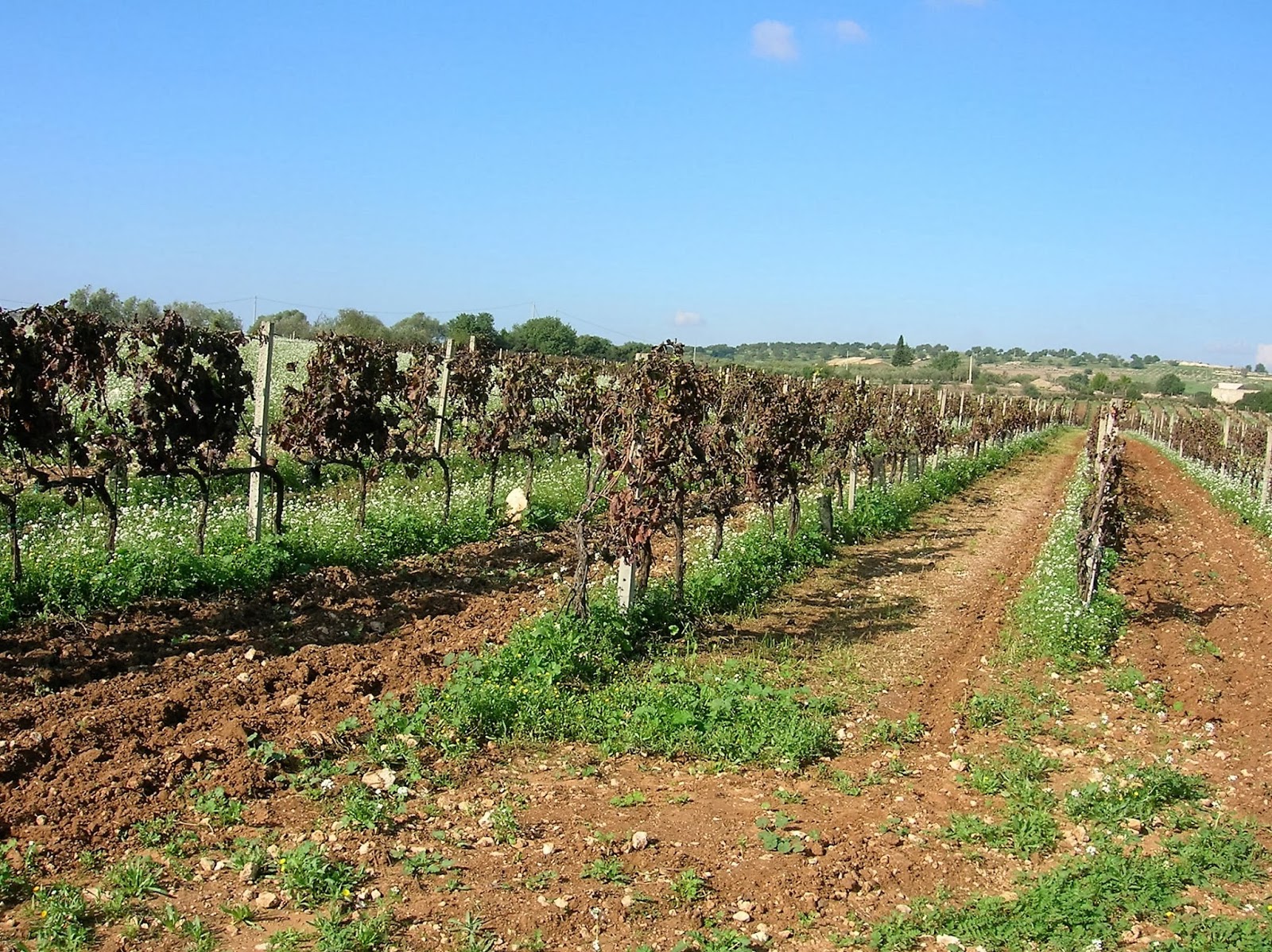
A brighter spring in Carneros AVA
Across its long, cultivated history the wine vine has consistently demonstrated the ability to recover.  It is by its nature a survivor, driven almost singularly to reproductive growth. Combined with a historically sparce 2017 harvest throughout much of Europe, the once inflating industry is now facing yet again new challenges within the expanding global marketplace.  This cycle, too, will recover.  But, it will take time.  Just like us, the rebound from a traumatic health event will change things in our life cycle and will take sometimes many years to return to what had been familiar. As a long time local grape farmer once said to me, "we have seen it all before". 


Burgundy vineyards cycle a return to 'normal' in 2017
As we move forward, there will still be good local wine on the shelf or wine list, and consumers may even be influenced to expand their wine knowledge or regions of interest. Just like the vine, the local industry will endure and rebound, and eventually the wild fires of 2017 will be in the rear-view mirror.   As of this writing it is still burning in the hills somewhere.  Locally, the hum of fire fighting aircraft is slowly being replaced by the distraction of abrupt jackhammers and heavy equipment.  Locals continue to renew normal routines, and fortunately, cellar workers return to their craft.  Yet the smell of smoke lingers in the air, and we remain vigilant just like the wine growers on Sicily's Mt. Etna.  They make good wines there, too.  Now that's historically resilient drinking!
Salute!


Wine Links:
  https://www.winesandvines.com/sections/printout_article.cfm?article=feature&content=158351
  https://www.thedrinksbusiness.com/2017/10/global-wine-production-to-fall-to-56-year-low/
  http://winesofsicily.com/

Thursday, December 15, 2016

BRAMBLES: Thankfully, Celebrate Something!

Bruno Occhipinti sharing a Marco de Bartoli Marsala

It is routine to look back at the end of the calendar year, something like looking into your car's rear view mirror on the highway.  There you can clearly see what has transpired in the recent past, and as we get older the recent past may be all we can easily remember.  As it has evolved, the year 2016 had many twists and turns, disappointments and regret, enchanting episodes of magic that foil against heartache.  But, if you are reading this, you have made it this far, and we have all that tempered experience to build upon.  It is fortunately that end of year wine time to thankfully raise a glass of cheer and celebrate something!
Beautiful Sonoma County agri-business.

  • Thankful for a memorable wine tasting in Sicily with the veritable patriarch of the Occhipinti cantina in Sicily's only DOCG.
  • Following a short-supply 2015 grape harvest, this year saw many premium local grape growers able to charge more for their quality fruit in a year of premium quality. North Coast spot markets increased significantly, according to our Allied Grape Growers cooperative.
  • 2016 offered a relatively even growing season statewide, producing a normal harvest of exceptional quality fruit(Wine Institute).
  • A new university graduate in the family, and a new lawyer in the family, who happen to be the same talented individual. 
  • Domestic wine lovers continue a familiar trend, with annual per capita consumption at around 10+ liters, so we can at least sit at the table of other established wine cultures.
  • Consumer market minor grape selections continue to show growth away from leaders Cabernet and Chardonnay; Beverage Dynamics reported impressive 2016 sales growth in Red Blends(10.1%) and Sauvignon Blanc(13.3%), as trends indicate buyers continue to trade up.
  • My Mom got to embrace a new grandson, and then visit with a few of her favorite major league ballplayers in the stadium clubhouse.
  • Direct to consumer wine sales continue to grow, according to Beverage Dynamics, up 8.1% over 2015, as more Prohibitionist states relax regulations and more consumers find confident selection, quality on-line.
  •  At home, our best Thompson Seedless grape harvest ever, and then drying to wonderfully sweet raisins.
    Traditional method cavas and cremants offer celebration value.
  • Fine wines, those above the declining table wine sector, are continuing a positive trend of a growing number of consumers trading 'up' to higher priced quality wines, as quality domestic & import selections improve.
  • With thanks to our premium grape farmers, there is more than twice as much quality Pinot Noir crushed around here compared to just 10 years ago.
  • U.S. wine consumption is at an all time high(more than 750 million gallons), as new wine lovers(mostly women) increasingly come to the table(or bar, or bottle).
  • Thankfully, I can still stand and share the delicious mysteries of wine with friends, old & new, and on occasions find a nectar that authentically inspires.
Looking back in the mirror that is 2016, we see many things that are a reflection of who we are as a culture and as people, yet our history is not yet written for our future.  Certainly, here then is our opportunity to raise a glass, and to celebrate something!  Cheers!
 
"what matters is the countless small deeds of unknown people, who lay the basis for the significant events that enter history". Howard Zinn

Wine Links:
 http://www.agricolaocchipinti.it/en/
 http://www.wineinstitute.org/resources/pressroom/10192016
 http://beveragedynamics.com/2016/01/26/9-trends-driving-wine-sales-in-2016/
 http://www.winesandvines.com/template.cfm?content=175163&section=news

Wednesday, November 16, 2016

SICILY; Lost & Found

Sun-baked, wind swept vineyards of Occhipinti, Vittoria DOCG
 Everything on this sunny, wind swept Mediterranean island seems to have seeds; the eggplant, the tomatoes, the prickly pear, and certainly the grapes.  The nucleus of life, the seeds of Sicily are a reflection of the native spirit and passion, a time capsule of its long history of cultural occupation that creates a wonderfully unique confluence.  Grillo and Catarratto, white grapes that are the basis for fortified Marsala DOC, as well as sea food-friendly table wines, combine here with reds Frappato and Nero D'Avola to create a uniquely native wine grape palate, distinctively Sicily.

Greeks may have introduced the vine here almost 3000 years ago, followed by the Phoenicians of the Fertile Crescent, and the cultivating, wine loving Romans.  Goth's, the Byzantine's, the Arabs and the Normans followed in rapid succession, creating a broad stroke of multi-cultural influences and instability. As the unity of Norman rule influenced language and religion, creating the Kingdom of Sicily in 1154, it eventually would fall under the influence of the Crown of Aragon in the late 15th century. Even as this period would usher wealth and influence for the strategic island, the 18th/19th centuries would again create instability, culminating in a constitution that initiated the end of feudalism and eventually a unification with the Kingdom of Italy in 1860. Neglectful governing would then give way to powerful networks of organized crime and radical left-wing peasant labor, the popular fascist rise of Mussolini, and eventually the Allies devastating Invasion of Sicily in 1943.  It would be then a miracle that any Sicilian identity would persevere, or even survive, for to be Sicilian was to be under the influence of others.
Amphora of Sicilian antiquity
In post-war reconstruction, sweeping land reforms of the 1950's gave new rise to the workers small farm cooperatives, and for its survival, Sicily became the undistinguished volume wine producer for all of Italy.  A national launch ushered in 1963, established an official system, regulating the wine industry, and creating important categorization and guidelines.  Over the following decades the Italian DOC(Controlled Designation of Origin) system was updated, creating top-tier DOCG and the regional typicity of the IGT categories in 1992.  Even as it was presented with its lone DOCG, Cerasuolo di Vittoria, Sicily remained a source for mostly simple table wines, or Vino di Tavola produced from its unique native grapes. 

What perseveres is a love of this land, a dedication to the life it gives; from the broad, fertile soils of the Mt. Etna wash, to the clay & limestone jagged profile of the rugged south. In the most recent generations her wine producers have moved towards an increasingly sustainable landscape, to smaller vineyard yields that enhance indigenous grape characteristics. Experiments with IGT blends that include recognizable international varieties, like Cabernet Sauvignon, are also becoming increasingly marketed.  And, global recognition for its diverse quality wines grows daily, from innovative and contemporary producers like Hugues de la Gatinais, Marco de Bartoli, and the dedicated enterprises of the Occhipinti family. Today, from their ancient and indigenous vines, Sicily is generating new and vibrant life from the seeds of its resilient past. And for the generations to come, a Sicily which was so often lost can once again be luminously found. Salute'!

Sicilian palmento in an 18th century farmhouse(restored)
"If we want things to stay as they are, things will have to change."
The Leopard, Guiseppe di Lampedusa

Tasting Values:
  Stemmari Nero D'Avola, Sicilia DOC 2014
  Tenuta Rapitala 'Nahar' Nero D'Avola-Pinot Nero, Sicilia IGT 2013


Wine Links:
winesofsicily.com


Monday, October 17, 2016

Post Harvest Sonnet

Late season bush vines of Roussillon


Yellowing leaves increasingly blanket
rolling parade grounds without its sweet fruit,
Crimson peppers in scatter break monotony
across many broad Sonoman vineyards.

Autumn in Beaujolais
Clear, crisp skies present starling swarms that cut
swirl sounds over a field settling to rest,
Green pigments absorb no more of its sun,
their cycle evolved as days now grow short.

Post Harvest in Burgundy
Phenolic compounds and sugars matured,
make the seasons wines that we must now vend.
Toil with sweat chase the last rays of autumn sun,
create the circle that I gladly drink!

Raise your glass then to celebrate harvest;
toil now rests in rays of soft fading light.

Cheers & Salute'!
Autumn in hills of Langhe,

Tuesday, September 27, 2016

BRAMBLES: September Harvests

Industrial harvesting the norm in New Zealand

An historically early start to the 2016 premium wine grape harvest of the North Coast continues as we move into the shorter days of autumn.  Seasonally, our local bounty presents itself at local farmers markets and displays colorfully across the produce departments of our favorite markets.  Harvest annually gives each of us an attachment to our local landscape, to its rich, nurturing environment and the sustainable talents of its many dedicated local farmers. Here in Sonoma county, recent Harvest Fair Awards annually offer a marketing boost to many a small to medium sized winery; often presenting an all too brief, fleeting opportunity that can reward the tireless production efforts, the demanding work that occurred long ago in their respective local vineyards and cellars.

Effects from sustained drought and recent years of above average winegrape yields combine with ever increasing costs of farming to consistently challenge these local grape growers. Not only a surplus suppression of the spot market grape pricing, but also the vanguard of vineyard pests such as the european grapevine moth and the glassy-winged sharpshooter continue to keep growers ever vigilant, even as combative efforts continue in many research labs such as those of UC Davis & Fresno State.  Current mergers and real estate acquisitions now trend across much of the premium wine sector, spurred on by the rise of premium retail wine sales, allowing bigger wine companies to strengthen their positions as consumers 'trade-up'. Even as growers here increasingly move towards ecological vineyard sustainability under the sun of this unprecedented environment, our local grape farmers still continue produce some of the finest winegrapes in the world.  It is their collective efforts, this rich annual bounty that we celebrate!
Cap of red grape skins from CO2 production

With this year's early fruit set due to fair spring conditions, generally cooler nights across most regions, and a longer than average vineyard hang-time that allows the phenol and flavor developments that characterize a higher quality vintage, most growers will currently be satisfied with their results. "While crop loads are down, the vines are very focused on the remaining fruit. It should be another high quality year", according to Santa Lucia Highlands grower, Steve McIntyre.  "It's been a nice, relatively even season without extremes", noted Russian River Valley winemaker, David Ramey.
A new grape pomace hill in Carneros, Napa
As wine lovin' consumers we often pull a bottle to share, to enhance a meal or to celebrate an event.  That wine can fulfill or exceed thirst-driven expectations, it can impress our fellow tasters with its prominence or its rich complexity or its terrific value.  While it has long been simply said that great wine is made in the vineyard, in most of those bottles it is simply the rewarded efforts of September harvests.  Thank you California premium grape farmers!


Cheers & Prost!

Tasting Values:
Sherwood Estate; Sauvignon Blanc; Marlborough 2014 - a green straw hue introduces generous  aromas of green wet mop with jalapeno, then presents searing acid and lime pith extending to a long finish.

Ribeauville; Riesling Vendanges Manuelles Alsace 2015 - light golden tone offers confined aromas of under-ripe stone fruits, and then wham!; glorious body of focused acid carries stone fruits, citrus and mineral across a viscous body to a finish that I am still tasting.

Saturday, July 30, 2016

BRAMBLES; Taste That!


"The wine one has drunk can't compare to the wine one is about to drink"

Local grape crops have begun to change colors, an annual occurrence that this year is arriving early. It is veraison, where the fruit acidity(malic) declines, allowing tartaric acids to become increasingly prominent, and while then gradually increasing the production of sugars.  Its natures survival cycle, as the vines maturing propagation needs and its cycle of ripening continue to physically evolve.

Nearby, early ripening, high acid Pinot Meunier begins our harvests in the cool, dark hours of a late July Thursday morning, destined to be used in regional sparking wines. Part of a traditional and time honored recipe, Meunier is widely planted in its ancestral homeland of Champagne, and remains an important building block here to our many local sparkling house cuve'es or blends.

Local birds, too, have also noticed the color change, an indication that the seeds found in the fruit were ripening, becoming less bitter.  It becomes an increasingly common site across these endless acres of manicured rows, draped with netting to protect the precious harvest of premium wine grapes valiantly enjoying their final hours of sugar producing sun, the culmination of the annual cycle.
Verasion begins maturity

Just like the birds, our recognition of what is in our wine glass prepares our wet appetite.  Hue, clarity, brilliance and intensity that are recognized prepares us for an anticipated and hopefully delicious wine experience. On site, dark wines should then remind us of dark fruits, offering the opportunity to enjoy its unique color and flavor profile. Rising from the glass are complex and volatile aromatics that when perceived individually translate to countless aroma memories, many times too numerous or congested to be clearly recalled. Yet, absorbing the air-mixed nuance from the glass is one of the joyful traits of most quality wines. Just Imagine. Could that be the aroma of stewing fruit on the stove-top with a whiff of a cigar box or hint of citrus fruit bowl nearby? Imagine!

Site, sniff, savor and swallow(or spit)

Feeling the sensation of drawing wine into your mouth; holding on the palate it as we warm it up, making those many impressions found more perceptively volatile.  As we take in a small amount of air, and the hundreds of airborne compounds rise to reinforce our first aromatic impressions, sending these countless flavor memories to our brains.  The flood of signals are recognized, reacting with our taste memories to create an impression of past experiences. The taste lingers, offering us the unique opportunity for recognition to be savored; a lingering expression that can even follow beyond the eventual swallow.  This taste recognition, repeated, promotes our ability to increasingly recognize the physical effects of and the emotional memories that exist for each of us to enjoy in every wine.

Tasting is a discipline, to be sure.  But the rewards await, compounded by the repeat of the exercise.  How has that wine in the glass changed from its initial impression?  When reacting with food pairings does the tasted wine display other facets of its diverse personality? When repeated, the wine tasting exercise beckons to explore, to go further, beyond our comfort zones and invariably offers the taster the chance to 'expand' the palate with broader recognition.  And we can suddenly realize that this hedonistic exercise searching for pleasure in a glass actually offers the taster an opportunity to alter the perception, the change the cadence of passing time.  As we take a cue from our local birds, it all begins with the recognition of what is held in the glass. Now, taste that!

Salute!